How to Legally Protect Your Startup’s Brand Name and Logo (A Complete 2025 Guide)
If you’ve ever launched a startup in India, you already know this:
Building a brand is like raising a baby — you name it, you design it, you feed it money, and one reckless person copying your name can ruin everything.
Every startup founder dreams of creating a brand that becomes the next Zomato, Paytm, BoAt, or Zepto. But here’s the catch — 99% of Indian startups forget to legally protect their name and logo until a competitor appears with a name suspiciously similar to theirs. And suddenly, your “innovative idea” becomes a courtroom story.
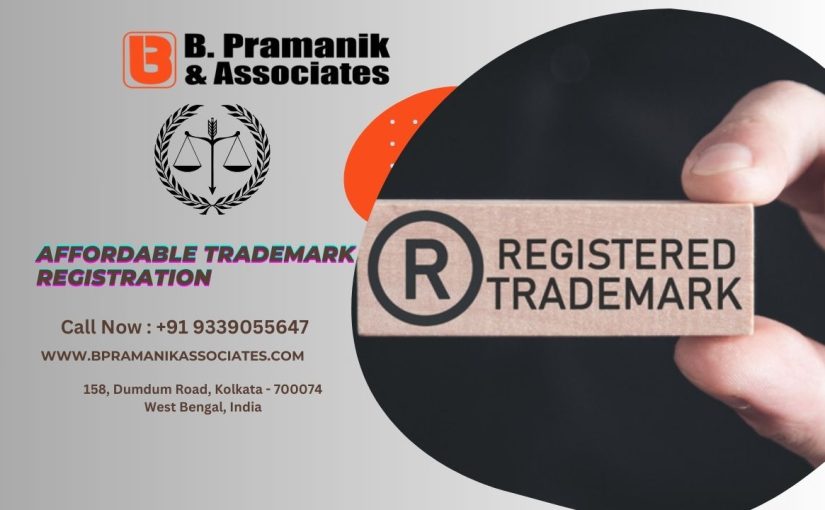
This is where Trademark Registration for Startups becomes the superhero cape your business desperately needs.
Before you begin imagining long court corridors and Shakespearean-style legal jargon, relax — this guide will explain everything like a friendly, educated college senior who also cracks jokes at the right moment.
Why Brand Protection Matters More Than Funding (Yes, Seriously)
Your brand name and logo are more than pretty designs on Canva. They’re your startup’s identity, reputation, and digital footprint. According to a 2024 industry report by the Indian Intellectual Property Office, over 5.5 lakh trademark applications were filed in India — a clear sign that businesses are finally taking brand protection seriously.
Now imagine this scenario:
You launch a food delivery startup called FreshKart. You invest ₹3 lakhs in branding, packaging, marketing. Business grows. Investors show interest.
Suddenly, a competitor launches FreshCart.Customers get confused. Your reputation drops. Money goes down the drain. And worst of all — they registered the trademark before you.
Boom. You’re legally stuck.
To avoid this horror story, let’s break down why brand protection is a survival strategy, not an optional luxury.
What happens when you don’t register your brand:
-
Loss of brand identity
-
Customer confusion
-
Legal disputes
-
Forced rebranding
-
Loss of market trust
-
Zero investor confidence
-
Competitors taking advantage of your creativity
Studies show that 68% of investor-backed startups have registered trademarks, compared to just 21% of bootstrapped businesses — proving that brand protection plays a major role in investor confidence.
Understanding Trademark Registration (In Simple Human Language)
A trademark legally protects:
-
Brand names
-
Logos
-
Slogans
-
Taglines
-
Symbols
-
Sounds
-
Packaging elements
Under the Trademark Act, 1999, India gives businesses strong protection against misuse and imitation.
This means:
Once you register your brand, the law basically says:
“This name/logo belongs to YOU. Anyone who copies it will face legal action.”
And if you want this process to be smooth, fast, and stress-free, many founders take guidance from professionals like trademark experts at B. Pramanik & Associates who handle search, filing, objections, hearings, and publication.
How to Protect Your Startup’s Brand Name and Logo: Step-by-Step Guide
Now let’s get into real action. If you’re a founder building a brand, here’s the roadmap you MUST follow:
1. Conduct a Trademark Search (The Step Most Founders Ignore)
Before finalizing your brand name or logo, you MUST do a proper trademark search on the Government of India website.
This step ensures your brand is:
-
Unique
-
Not already taken
-
Not easy for others to confuse
A professional expert can help search more deeply across multiple categories, spelling variations, phonetic similarities, and word combinations.
Why a trademark search matters:
-
Reduces risk of rejection
-
Prevents future lawsuits
-
Saves rebranding costs
-
Ensures a stronger approval rate
You’d be surprised — nearly 32% of trademark applications in India are rejected because the applicant did not check availability properly.
2. Select the Correct Trademark Class
India uses the Nice Classification of 45 classes.
Choosing the wrong class = instant rejection.
Examples:
-
Software = Class 9
-
E-commerce services = Class 35
-
Food products = Class 30
-
Clothing brands = Class 25
-
Education platforms = Class 41
-
Healthcare startups = Class 44
Startup founders often make the mistake of:
-
Choosing a single class when they need multiple
-
Selecting an unrelated class
-
Filing under the wrong category
Experts at B. Pramanik & Associates help identify the precise class that aligns with your business operations.
3. Filing the Trademark Application (The Legal Beginning)
Once your search is clean and class is final, the next step is filing your trademark application.
Documents required:
-
Logo (if applicable)
-
Applicant’s name & address
-
Power of Attorney (if an attorney is filing)
-
Business registration proof
-
Details of goods/services
Accuracy matters. Even a small spelling error or incomplete document can lead to objections.
Professionals ensure:
-
No mistakes
-
Fast processing
-
Proper documentation
-
Accurate classification
4. Trademark Examination & Handling Objections
After filing, a trademark officer examines your application.
If they find issues, they issue an objection notice.
Objections may arise due to:
-
Similar existing trademarks
-
Weak brand name
-
Descriptive nature
-
Incorrect class
-
Technical errors
A detailed written reply must be submitted with legal reasoning.
Sometimes a hearing is required.
A skilled legal expert can argue your case effectively with supporting evidence.
Did you know?
21% of trademark applications require objections to be resolved before approval.
This is why founders prefer legal support.
5. Trademark Publication & Opposition Stage
Once approved by the examiner, your trademark gets published in the Trademark Journal.
This stage lasts 4 months, during which the general public may oppose your trademark if they feel it conflicts with theirs.
If someone objects:
-
They file an opposition case
-
You must submit a counterstatement
-
Evidence, documents, and hearings follow
Winning this stage gives your brand ultimate legal strength.
6. Final Trademark Registration Certificate
After completing all stages, you receive your Trademark Registration Certificate, giving you:
-
Legal ownership for 10 years
-
Renewable protection forever
-
Authority to take legal action against infringers
-
The right to use ® symbol
This certificate becomes a valuable business asset.
Advantages of Trademark Registration for Indian Startups
Registering your trademark gives you multiple benefits:
✔ Legal ownership of brand name & logo
No one else can use or imitate your brand.
✔ Consumer trust & brand credibility
Customers prefer businesses with registered identity.
✔ Protection against copying & counterfeiting
Especially important for fashion, food, and tech sectors.
✔ Boosts investor & funding confidence
VCs love legally protected brands.
✔ Provides the right to sue infringers
You get full legal power.
✔ Becomes a valuable intangible asset
Your trademark can be licensed, sold, or franchised.
✔ Helps with brand expansion
Easy trademark protection for future products.
Why Hire a Trademark Lawyer in a Metro Like Delhi?
Cities like Delhi are India’s major hubs for legal, corporate, and IP services.
Hiring a specialist helps because:
-
They run detailed trademark searches
-
They choose the correct class
-
They draft strong applications
-
They respond quickly to objections
-
They handle hearings professionally
-
They manage end-to-end documentation
-
They reduce risks of rejection by 80%
This saves:
-
Time
-
Money
-
Stress
-
Possible future litigation
Many founders rely on legal partners like B. Pramanik & Associates for predictable, hassle-free trademark protection.
Data-Driven Insights: Why Startups Must Register Trademarks Early
Here are some powerful insights from 2024–2025 industry reports:
📌 82% of brand infringement cases happen to businesses without trademarks.
Imagine losing your brand overnight.
📌 Trademark rebranding costs startups between ₹50,000 to ₹5,00,000.
Way more expensive than registering.
📌 Over 3.4 lakh trademark registrations were granted in India last year.
Competition is huge.
📌 42% of rejected applications are due to improper filing.
Accuracy saves businesses.
📌 Registered brands gain 32% more customer trust.
Legal protection = credibility.
📌 Investors reject 1 in 5 businesses due to weak brand identity.
Trademark strengthens investor pitch.
Extra Tips for Startup Founders (From Real Legal Experience)
⭐ Choose a name that is unique, not generic
Names like “Food King” or “Tech World” are too common.
⭐ Use invented or creative words
These have a 90% higher approval rate.
⭐ Always check domain availability too
Brand + domain = powerful identity.
⭐ Use a distinctive logo
Don’t use generic symbols like globe, handshake, or arrows.
⭐ Register early
Even at idea stage — trademarks work on “first to file” rule.
FAQs (Frequently Asked Questions)
1. How long does trademark registration take in India?
On average, 6 to 18 months depending on objections and opposition.
2. Can I run my business without registering my trademark?
Yes, but you risk losing your brand to someone who registers it before you.
3. What is the cost of registering a trademark in India?
Government fees + professional fees. Costs vary depending on business category.
4. Can two companies have similar trademarks?
No, if they operate in similar classes and cause confusion.
5. Does trademark protection apply outside India?
No — for global protection, you need international filings.
6. When can I use the ® symbol?
Only after receiving your final trademark registration certificate.
7. How long is the trademark valid?
10 years, renewable indefinitely every 10 years.
Contact Details (B. Pramanik & Associates)
Phone Number: +91 93390 55647
Mail: info@bpramanikassociates.com
Address: First Floor – 211, SDF Building, Sector V, Salt Lake City, Kolkata – 700091, West Bengal
Latest News

























































Looking For
Professional
Agency ?